A family heritage of breaking barriers — and opening doors.
It began on a farm in Greenwood, Mississippi — family land since the Civil War, bought by a freed slave — where two brothers each blazed a trail. One built a company that put people to work. The other built a practice that brought people care. Everything Nero and Associates, Inc. does today sits where those paths meet.
Read about his life.
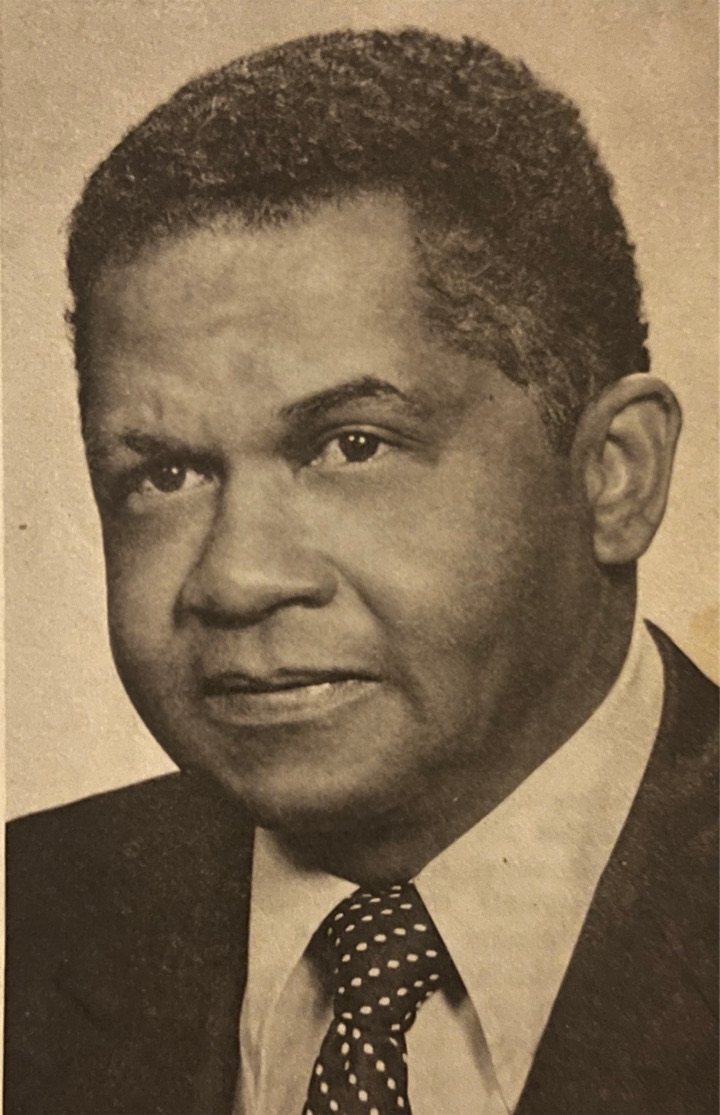
David M. Nero Jr.
1924–2002
He built a company that put people to work.
He served in the Second World War and in Korea, where he became one of the first African American officers to command integrated troops — decorated with two Bronze Stars and the Soldier’s Medal for Heroism.
In 1971 he turned a $25,000 Small Business Administration loan into the original Nero and Associates, Inc. in Portland, Oregon. The first contract was clearing brush from power-line rights-of-way. Two years later he was named Oregon’s Small Businessman of the Year, the first African American to receive the honor. The company grew to $17 million in annual revenue and more than 400 employees across eighteen states, with federal facilities-management and workforce contracts that included operating and maintaining Air Force Plant 42 — the original hangar of the Stealth Bomber — in California.
He served on the boards of the Urban League, the NAACP, the Chamber of Commerce and the Opera Society, and he mentored more young people than anyone kept count of. He believed in the power of role models, and he made a point of being one.
The workforce half of what we do traces directly to him. He understood that a job is never only a paycheck. It is what holds a family, and a community, together.
Read his story.
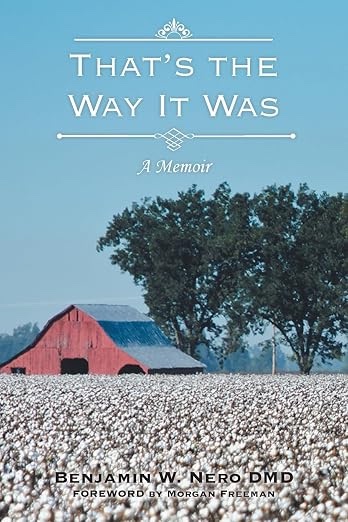 That’s the Way It WasDr. Nero’s memoir, from the family farm in Greenwood, Mississippi, to a practice in Center City Philadelphia. Foreword by Morgan Freeman.
Watch the film.
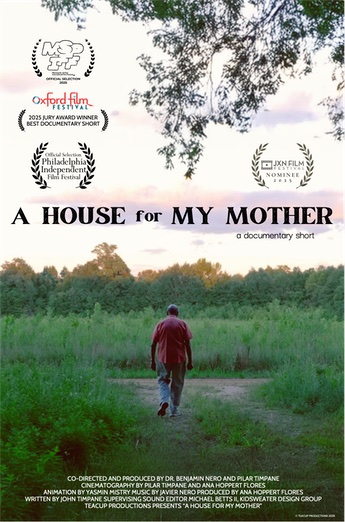 A House for My MotherA documentary short co-directed by Dr. Nero and Pilar Timpane. Jury Award, Best Documentary Short, Oxford Film Festival 2025.
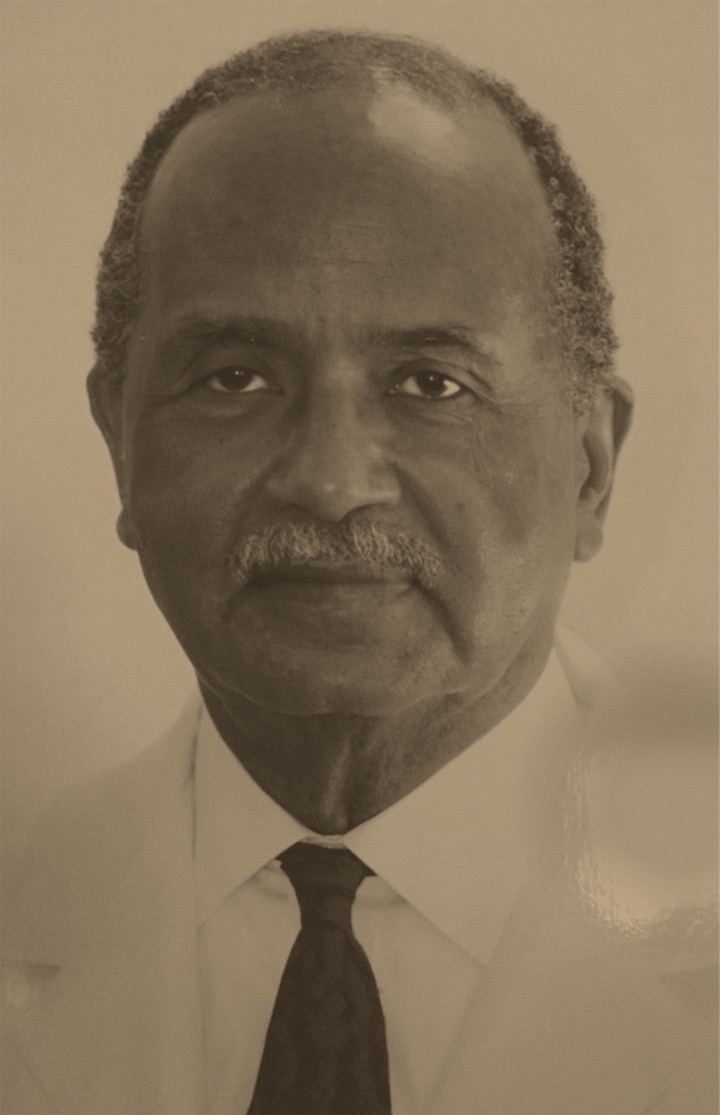
Benjamin W. Nero, DMD
1937–2026
He opened the door to care — and held it open.
He grew up picking cotton on the family farm, led his segregated high school team to a state championship game, and quarterbacked Kentucky State while earning a degree in biology. In 1960 he won a tryout with the Los Angeles Chargers, and left when he was told an African American could not play quarterback.
He took that determination into a profession that had rarely admitted a student who looked like him. In 1967 he became the first African American graduate of the University of Kentucky College of Dentistry, and the first African American dental graduate in the state. Three years later he became the first African American intern to complete the orthodontic residency at Philadelphia’s Albert Einstein Medical Center, now Jefferson Einstein Philadelphia Hospital.
In 1971 he bought a Center City orthodontic practice and spent the next five decades in it. For years he was the region’s only African American orthodontist. He treated thousands of patients, three generations of some families, and steered more than a few of them into dentistry.
He co-founded and later led the New Era Dental Society, and he traveled to Haiti to treat patients who had no one else. The University of Kentucky named him a Distinguished Alumnus in 2017, and his fellow alumni created the Drs. Nero and Biggerstaff Diversity Scholarship Endowment and the Dr. Benjamin Nero Student Inclusive Excellence Award in his honor.
His story, from his family’s enslavement in the 1800s to a practice in the heart of Philadelphia, is told in his memoir That’s the Way It Was, with a foreword by his Greenwood classmate Morgan Freeman, and in A House for My Mother, the award-winning 2025 documentary short he co-directed with Pilar Timpane.
The healthcare half traces to him — and not abstractly. I grew up in his practice, learning front-office and back-office operations before I knew that was what I was learning: scheduling, insurance, collections, and the difference between a patient who trusts you and a patient who doesn’t.
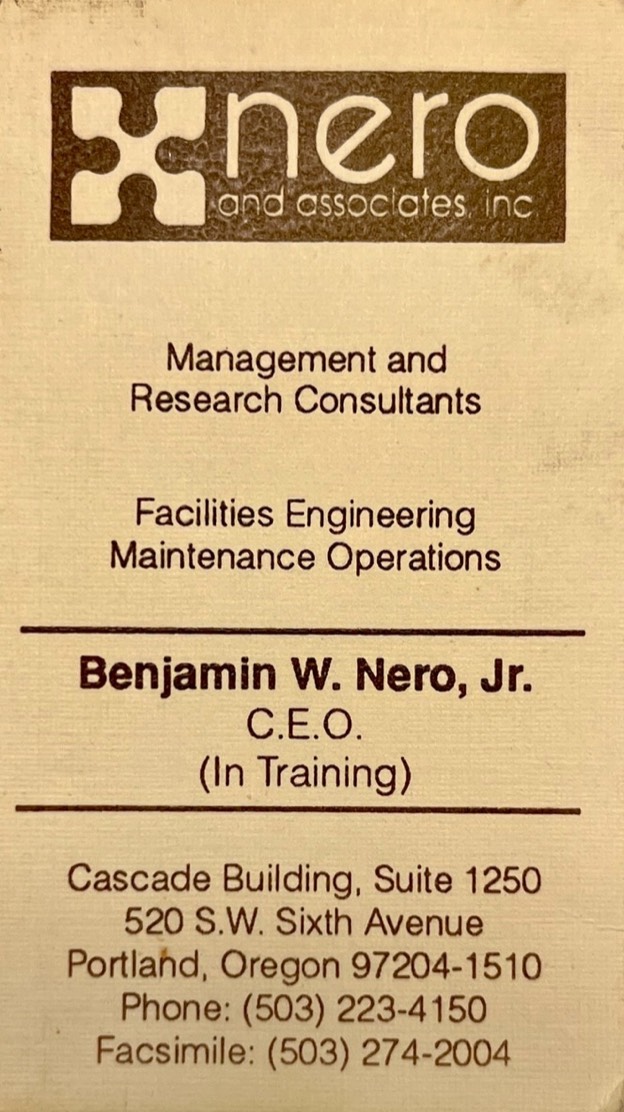
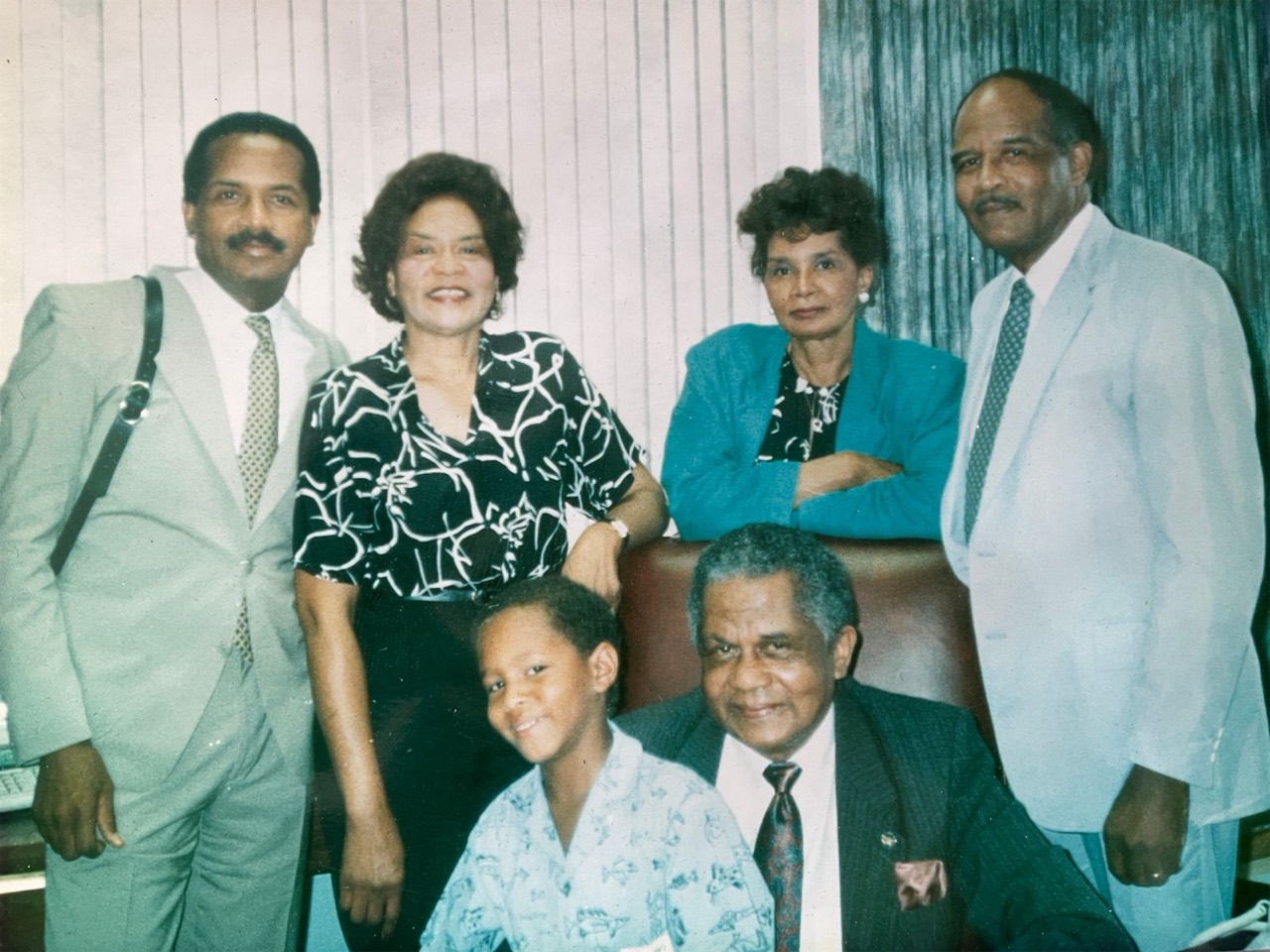
Shortly after that meeting, my uncle David gave me a leather-bound briefcase and a box of business cards that read CEO in training. It took twenty years in corporate America, much of it in healthcare financial technology, to take the hint. In 2021, fifty years after he founded the original firm, I founded Nero and Associates, Inc. again — to carry his legacy of excellence, integrity and service, and my father’s, into the work.
One built a company around workforce. One gave his life to healthcare. Nero and Associates, Inc. is where those two become a single practice — human capital and revenue cycle, for the employers, providers and employees who hold our communities together.
That is the H.E.R.O. Framework™: Healthcare Employee & Revenue Operations. Two driving forces decide whether a healthcare organization can keep its promise to the community it serves. One is the people. The other is the money.
Uniting people and money was not a strategy I picked. It was inherited.
Access is decided in operations.
My uncle’s contracts and my father’s chair taught the same lesson: who gets served is settled by how the work is run — staffing, scheduling, billing — long before anyone talks about mission. That is why every engagement starts with a diagnosis of operations, not a pitch.
The workforce is the care.
A health system’s caregivers are also members of the community it serves. Benefits they can use, less financial stress, support for the families they care for at home — that is how an organization keeps the people its patients depend on. That is the work of BenECO.
Revenue recovered is care kept.
Money that leaks out of a hospital or a community health center becomes a clinic hour, a provider or a program that is not there next year. Recovering it, and collecting it in a way patients can trust, is the work of RevECO.
My father served one patient at a time. For years he was the only orthodontist many Philadelphia area families could find who looked like them. While serving his community, he also went to Haiti to treat patients no one else was reaching.
Through our Health Equity Research partnership, we extend that service at scale. We work with a global pharmaceutical company to build a network of the organizations that serve the patients research most often misses — community health centers, rural health clinics, safety-net hospitals, health systems, minority-serving institutions and community organizations — and to connect them with research, programs, studies and trials they can help shape.
For a health system or community health center, equity is not a separate initiative. It shows up in who enrolls in a benefit and who doesn’t, which patients a billing process quietly loses, and whose data never reaches the evidence that shapes their care. The work that makes an organization run better also tells it who it is reaching — and who it is not.
That is how we intend to honor them both: not with a plaque, but with work that continues their lives of service.
Most leaders know something is wrong. Few have visibility into why.
Each Snapshot shows where a driving force is most exposed.